

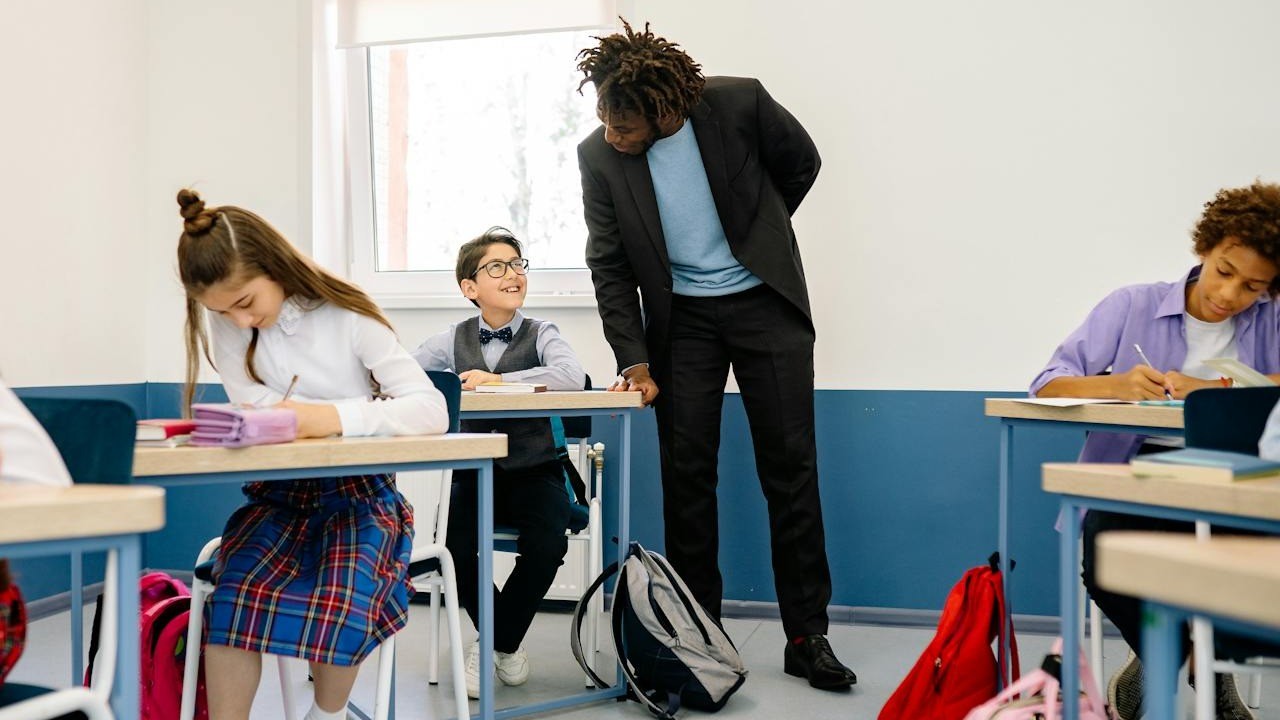
Introduction to Education
Education is more than the transfer of knowledge from one generation to another. It is a structured process that nurtures critical thinking, ethical values, creativity, and social responsibility. Through education, individuals gain the skills needed to navigate life, contribute to society, and adapt to an ever-changing world.
What Is Education?
Education refers to the systematic process of acquiring knowledge, skills, values, and attitudes through learning experiences. These experiences may occur in formal institutions, informal social settings, or through self-directed learning. At its core, education empowers individuals to make informed decisions and participate meaningfully in society.
The Purpose and Importance of Education
Education serves multiple purposes that extend beyond academic achievement. Its importance can be understood through the following dimensions:
-
Personal development: Builds confidence, discipline, and intellectual curiosity
-
Economic growth: Creates a skilled workforce and boosts productivity
-
Social cohesion: Promotes tolerance, civic awareness, and shared values
-
Innovation: Encourages problem-solving and technological advancement
A well-educated population is often linked to lower poverty levels, better health outcomes, and stronger democratic institutions.
Types of Education
Education takes different forms, each playing a unique role in lifelong learning.
Formal Education
Formal education is structured and institution-based, typically delivered through schools, colleges, and universities. It follows a standardized curriculum and leads to recognized qualifications.
Informal Education
Informal education occurs outside traditional classrooms. It includes learning from family, peers, media, and everyday experiences. Though unstructured, it strongly influences behavior and values.
Non-Formal Education
Non-formal education lies between formal and informal learning. Examples include vocational training, workshops, online courses, and adult education programs. These are often flexible, skill-oriented, and practical.
Education in the Digital Age
Technology has reshaped how education is delivered and accessed. Digital tools have expanded learning opportunities beyond physical classrooms.
Key developments include:
-
Online learning platforms offering global access to courses
-
Blended learning models combining in-person and digital instruction
-
Personalized learning through data-driven insights
-
Collaborative tools enabling real-time interaction across borders
While digital education increases accessibility, it also raises concerns around digital divides, screen dependency, and data privacy.
Challenges in Modern Education
Despite progress, education systems worldwide face persistent challenges:
-
Unequal access to quality education
-
Outdated curricula that lag behind workforce needs
-
Teacher shortages and insufficient training
-
Rising costs of higher education
Addressing these issues requires policy reforms, community involvement, and sustainable investment.
The Future of Education
The future of education is expected to be more inclusive, adaptive, and learner-centered. Emphasis will likely shift toward:
-
Lifelong learning rather than one-time qualifications
-
Skill-based education aligned with real-world demands
-
Emotional intelligence and creativity alongside academics
-
Global citizenship and cultural awareness
Education will continue to evolve as societies respond to technological, economic, and environmental changes.
Frequently Asked Questions (FAQs)
What is the main goal of education?
The main goal of education is to develop knowledge, skills, values, and attitudes that enable individuals to lead productive and meaningful lives.
How does education impact society?
Education strengthens societies by promoting economic growth, social stability, innovation, and informed citizenship.
Is education limited to schools and universities?
No, education also occurs through informal and non-formal means such as life experiences, training programs, and self-learning.
Why is digital education becoming popular?
Digital education offers flexibility, accessibility, and personalized learning, making it suitable for diverse learners worldwide.
What role do teachers play in education today?
Teachers act as facilitators, mentors, and guides, helping students develop critical thinking rather than just memorizing information.
How can education reduce inequality?
By providing equal access to quality learning opportunities, education helps individuals improve their economic and social conditions.
What skills will future education focus on most?
Future education will emphasize critical thinking, adaptability, communication, creativity, and emotional intelligence.

Comments are closed.